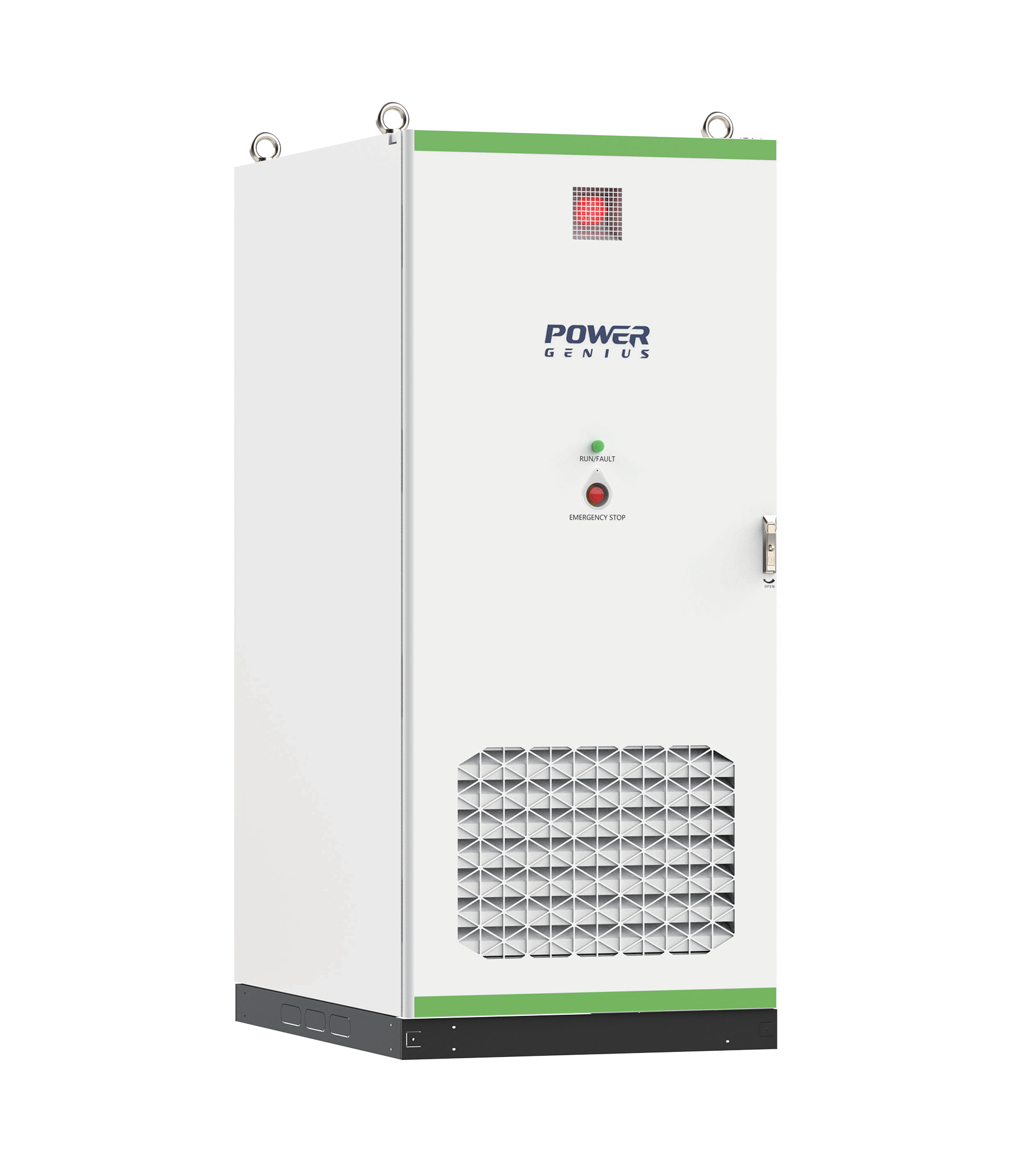
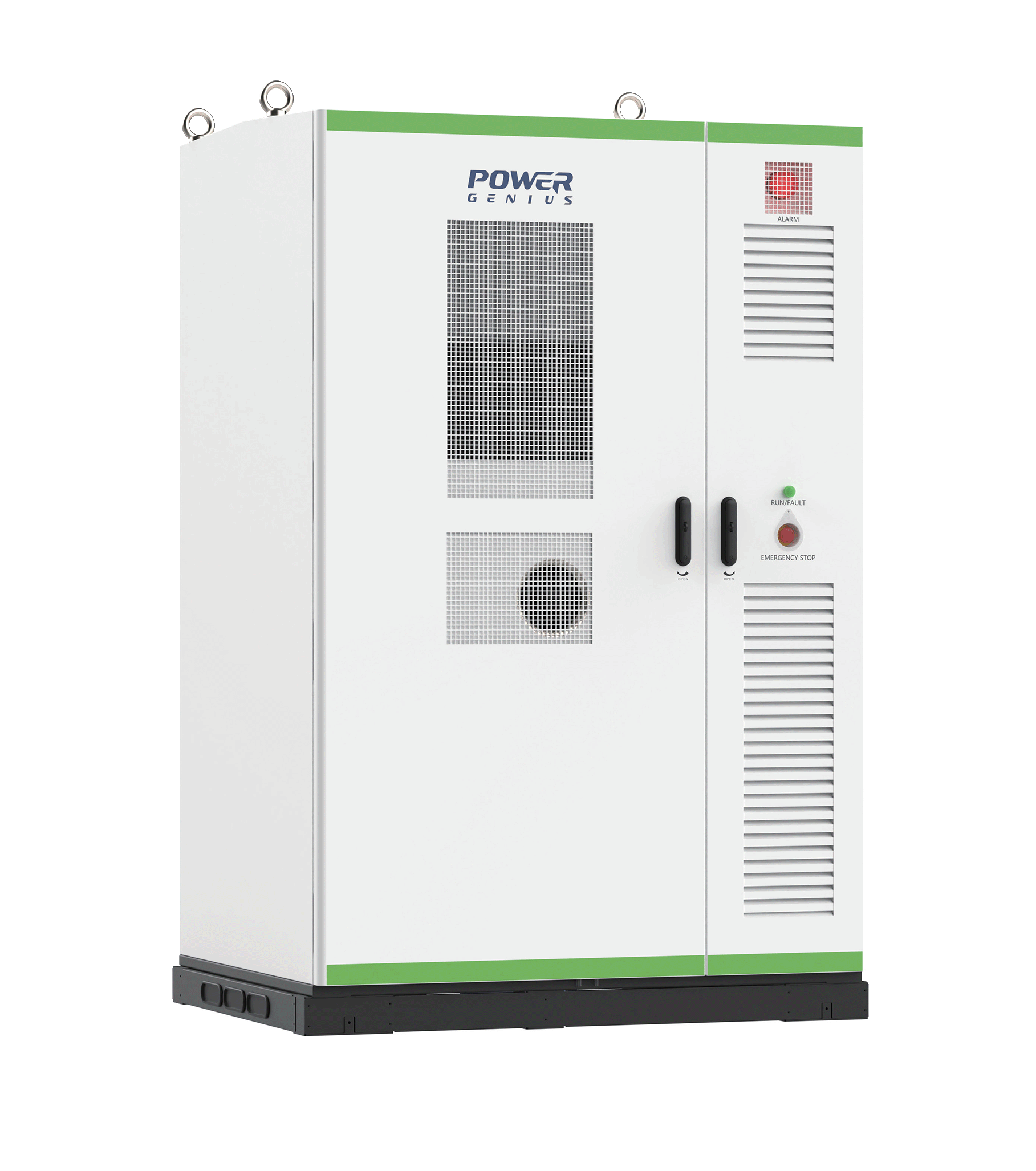
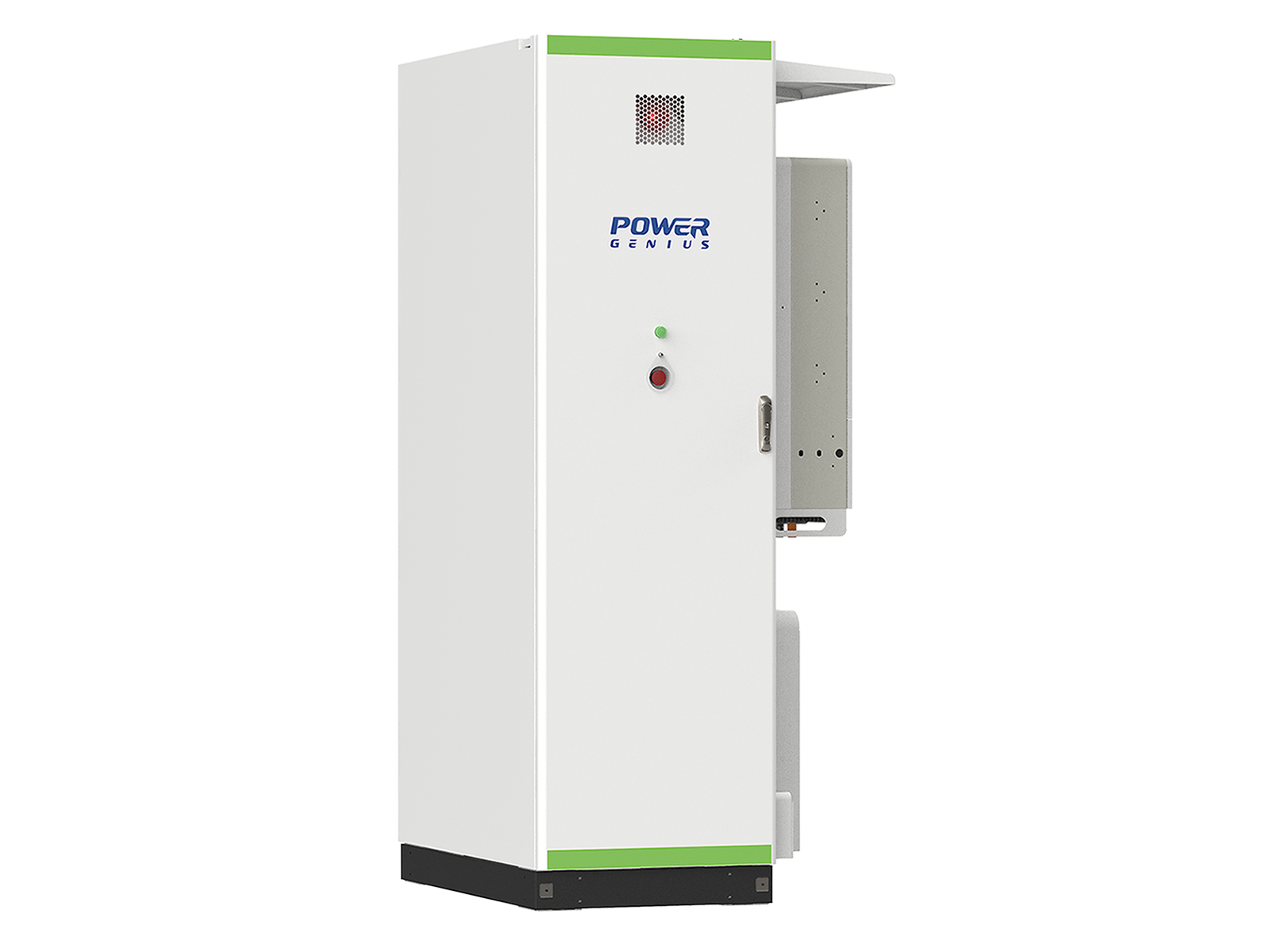
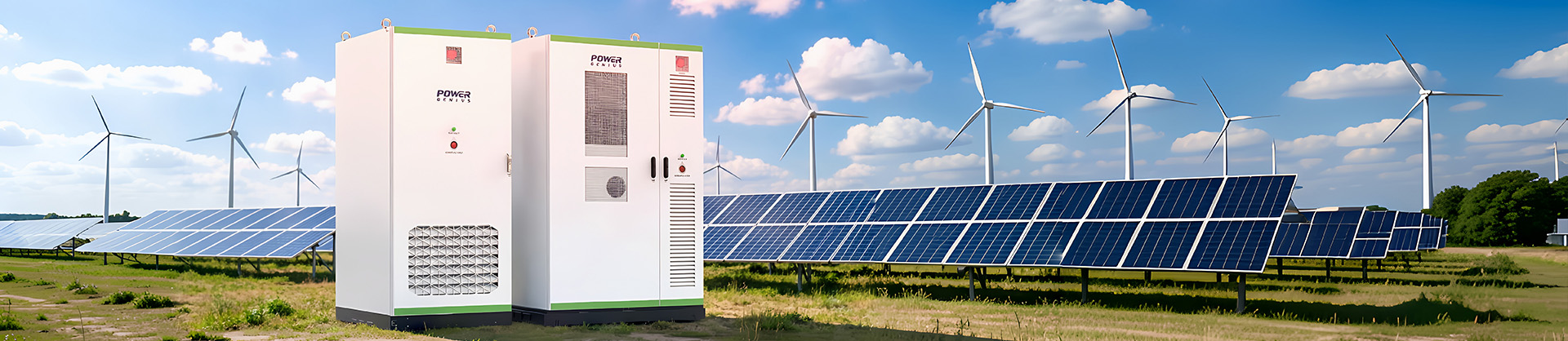
Power Genius, a leading global provider of energy technology solutions, would step into Brazil’s Battery Energy Storage System (BESS) market. To accelerate the execution of this strategic initiative, Power Genius has established strategic partnerships with multiple leading Engineering, Procurement, and Construction (EPC) firms in Brazil and initiated deep technical integration with local Energy Management System (EMS) providers operating within the region. This synergy aims to leverage local partners’ project resources, construction capabilities, and channel networks to streamline the entire BESS project lifecycle—from design to delivery—providing end-to-end energy storage value services to the Brazilian power market.
Addressing Critical Industry Pain Points
From a technical perspective, BESS represents the most direct response to a critical pain point in Brazil’s power sector that can no longer be overlooked: abundant solar photovoltaic (PV) generation during the day contrasts sharply with concentrated electricity demand at night, a mismatch the existing grid infrastructure struggles to manage effectively. Today, the integration of energy storage has become the key differentiator between highly efficient operations and underutilized assets.
According to data from Volt Robotics, approximately 20% of available renewable energy generation was curtailed in 2025. In practical application, BESS integrates battery modules, power conversion systems (PCS), internal management systems, and grid interfaces. It absorbs electricity during periods of surplus generation or low prices and feeds it back into the system during peak demand or supply shortages. This mechanism effectively resolves the structural challenges associated with the intermittency of solar PV generation.
With Brazil adding 14.3 GW of new solar PV capacity in 2024, bringing the cumulative installed capacity to 52.2 GW by early 2025, the demand for energy storage has surged proportionally. GNPW Group forecasts that Brazil’s BESS market will reach an installed capacity of 7.2 GW by 2040, with investments potentially exceeding 22 billion BRL by 2030. In 2025, consulting firm CELA estimated domestic battery sales in Brazil to be between 1.3 and 2.5 GWh, with a market value exceeding 2.2 billion BRL—more than triple the total value of 2024.
Unlocking Policy Dividends
The rapid development of BESS in Brazil is being propelled by systemic policy tailwinds. In 2025, Provisional Measure (MP) 1,304 was enacted as Law No. 15,269/2025, officially designating battery energy storage as strategic infrastructure for the national electric system. This legislation not only places BESS under the regulatory purview of the Brazilian National Electric Energy Agency (ANEEL) but also empowers the administration to reduce import tariffs on related components to zero by 2030.
Crucially, the law establishes multiple service and revenue models, allowing a single asset to combine peak shaving, energy time-shifting, and ancillary services. Furthermore, the first dedicated Capacity Reserve Auction for batteries (LRCAP) is scheduled for 2026, featuring 10-year contracts. Analysis by Tractebel Engie suggests this milestone could unlock up to 40 billion BRL in investment in the coming years.
For enterprises with high demand during peak hours, the projected payback period for behind-the-meter BESS has shortened to 3–5 years. As Power Genius advances its market布局 in Brazil, it will fully capitalize on these regulatory dividends to ensure its storage systems integrate seamlessly into the local electricity trading framework, comply with dispatch instructions from the National System Operator (ONS), and maximize revenue potential within the power market.
Technical Architecture and Multi-Dimensional Application Scenarios
Understanding BESS requires looking beyond the battery pack. The true system architecture involves multiple interdependent subsystems, including battery modules utilizing Lithium Iron Phosphate (LFP) technology, a Battery Management System (BMS) for continuous cell parameter monitoring, a Power Conversion System (PCS) for bidirectional conversion, an Energy Management System (EMS) acting as the system’s "brain," and SCADA monitoring systems supporting remote operations.
In terms of application, the value of BESS is being fully realized across several scenarios:
·Peak Shaving and Demand Management: Discharging during peak hours of Class A electricity contracts to reduce contracted demand and lower electricity costs.
·Energy Price Arbitrage: As the Free Electricity Market gradually opens between 2026 and 2028, the strategy of charging during off-peak periods and selling during peak periods will become increasingly vital.
·PV Output Firming: Stabilizing generation output and altering the risk profile of projects for investors and distribution companies.
·Reduction of Curtailment: Acting as an operational buffer to absorb energy that would otherwise be curtailed, thereby safeguarding power plant revenues.
Backup Power and Operational Continuity: Providing millisecond-response, emission-free backup power for critical infrastructure such as data centers and hospitals.
Frequently Asked Questions (FAQ)
Q1: How does a BESS system differ from a traditional UPS?
A: A UPS is designed for short-duration backup power (seconds to minutes) and cannot participate in planned dispatch within the power market. BESS operates on an hourly cycle and can actively participate in power market dispatch, including peak shaving, price arbitrage, and ancillary services. The two technologies are complementary rather than substitutive.
Q2: What is the difference between AC-coupled and DC-coupled BESS systems?
A: In an AC-coupled configuration, the BESS connects after the inverter, making it ideal for retrofitting existing PV plants, though it incurs double conversion losses (DC-AC-DC). In a DC-coupled configuration, the BESS connects directly to the DC bus before the inverter, offering higher efficiency but requiring integrated planning during the plant design phase. The choice depends on the asset's lifecycle stage.
Q3: Can BESS systems be integrated with distributed PV projects?
A: Yes, and such integration is becoming increasingly common in Distributed Generation (DG) projects. Law No. 15,269/2025 has strengthened the policy environment for storage and expanded the scope for its integration within the distributed generation ecosystem. ANEEL is currently advancing regulations to clarify the rules for "behind-the-meter" BESS participation in compensation mechanisms and grid ancillary services.
Q4: What role does the EMS (Energy Management System) play in BESS operations?
A: The EMS serves as the "brain" of the BESS. It determines the timing and power of charging and discharging based on control logic that considers the battery's State of Charge (SoC), grid demand, available PV generation, and customer contract parameters. Within an integrated SCADA architecture, the EMS can be embedded as the energy management strategy layer within the monitoring platform, achieving synergistic optimization of generation, storage, and consumption.